
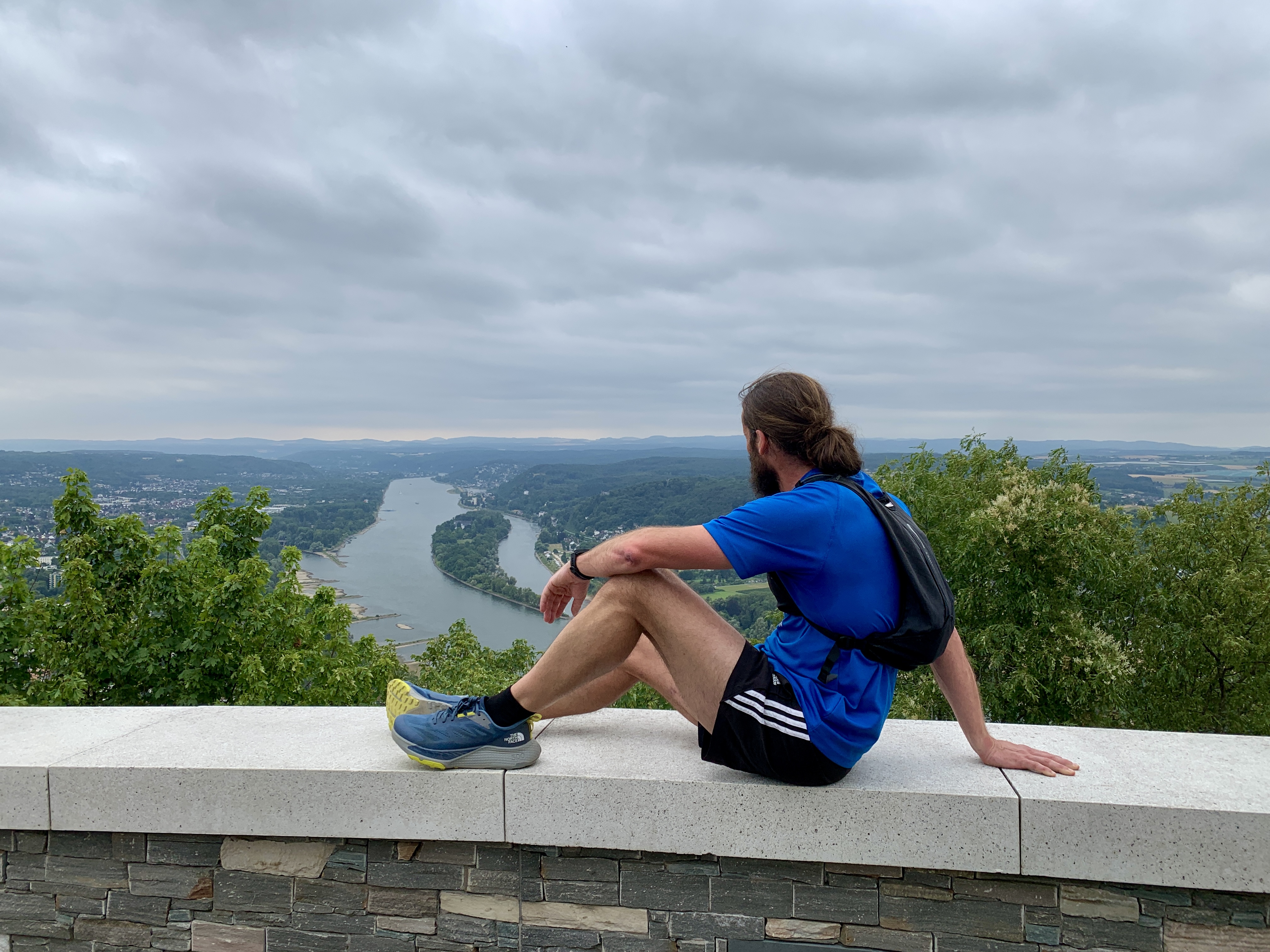
Introducing: Trail Voices - New Section on Lozania Lifestyle
Twenty years, fifteen countries, one drinking club with a running problem. Welcome to the messier side of what moves us: one voice at a time.
Every trail has a voice. Sometimes it comes through the landscape, sometimes through the people you meet, and sometimes through the thoughts that surface while walking. Over the years, I have collected many of these voices, shaped by my own journeys and by conversations and encounters along the way.
Trail Voices is a new section of Lozania Lifestyle that brings together these perspectives, reflections, and experiences. It is a space for stories, conversations, and personal insights that explore how people connect with landscapes, movement, and themselves.
Here, you'll find my own trail voice alongside others, each offering a different perspective on what it means to move through the world one step at a time.
What is it that drives a runner, motivates them, moves them one step after another? Is it a mile, five kilometers, a marathon, or something beyond? These are questions we may never fully answer or we'll arrive at very different ones each time we ask. For research purposes, for anyone trying to pin down the phenomenon of "running", these are flags in need of clearing. But can we really clear them?
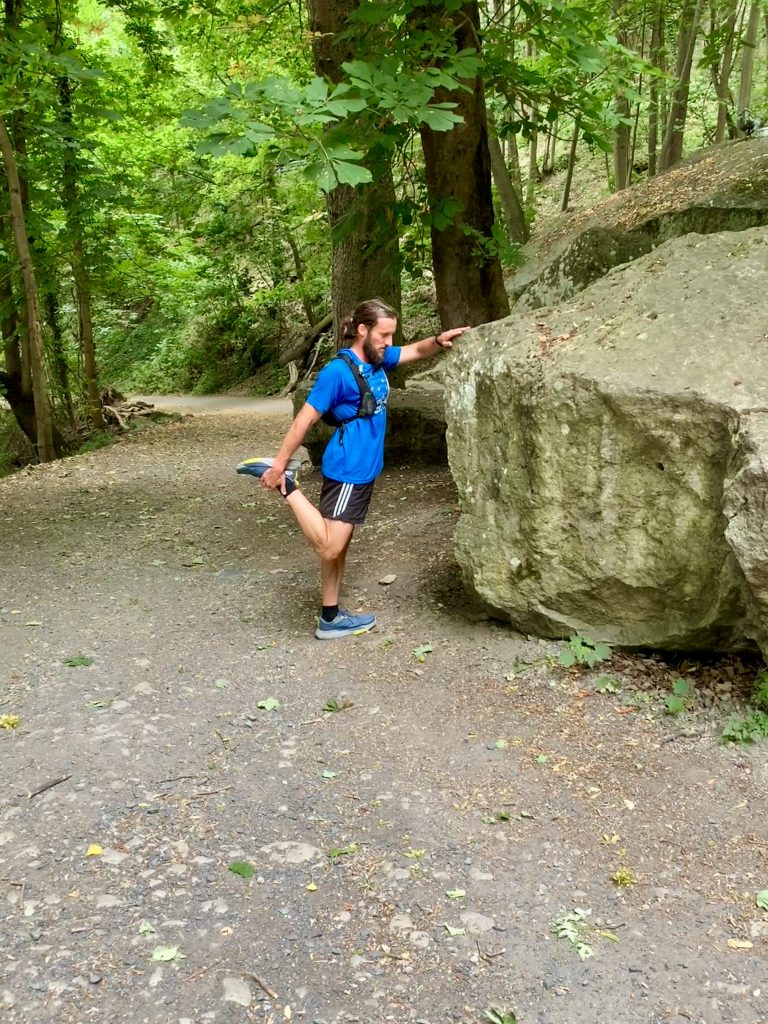
I call myself an ultra-runner, though I know I'm far from the pinnacle of that elite minority, and I'm quite certain I'll never get close to the top of the class. Still, I've finished runs longer than a marathon, so technically I'm in the game. And yet I've met people who've finished 100km races and still won't call themselves ultra-runners: „not fast enough“, by their own definition, to earn the title. Where do those standards come from? Not the media, I don't think. Anything past marathon distance is rarely broadcast, aside from the occasional YouTube deep-dive into something like the Barkley Marathons; the toughest race there is, in my opinion.
I don't run many public events and I'm not alone in that. Plenty of us go after trails solo, or in pairs at most. Maybe we're all a bit introverted, which only makes the field harder to study from the inside; but that is a separate discussion altogether. That, and the research itself is still scarce: on athletic identity, on the psychological and physiological toll of the sport, on whatever relationship between body, mind, and world it might create. I know I'll only scratch the surface of what's there to reveal, but I do believe trail running holds real potential for our mental well-being.
Parkrun is where I actually meet people. Those 9 a.m.-sharp, 5k gatherings that started on October 2, 2004, when founder Paul Sinton-Hewitt organized the first event in Teddington, UK. I've now run them in five countries and the crowd is never the same: sometimes hundreds show up, finishing anywhere from under 14 minutes (the current fastest-ever time, 13:44, set by Nick Griggs) to well past an hour. I've also joined the Hash House Harriers (just google H3 + city, and you shall find them in your city) in fifteen countries over the past twenty years. A global, wonderfully non-competitive running phenomenon (does that disqualify me as a „real“ runner?) that proudly calls itself „a drinking club with a running problem“. Members chase a trail marked mostly in flour by "hares", mixing exercise with a fair amount of social drinking, and every run ends in songs, laughter, and cold beer. From beer miles to ballbreakers events past 30k, to Hashathons; marathon distance with beer stops along the way (if you want it dialed up further, the Beer Lovers Marathon will get you seven Belgium strong beers deep by the finish, though that one's not H3). There's something for every pace and every walk of life. Most of us are faster on the down-down than on the downhill.
In the end, it doesn't matter what floats your boat, or tracks your feet. Running is such a natural way of moving forward that we can all find pleasure in it, whatever the distance or format. I intend to keep studying and trying to understand what makes us tick, so I can help our community prosper. And with it, our mental health flourish. Performance and well-being aren't mutually exclusive. We may just need to redefine the variables. Starting, maybe, with who gets to call themselves a runner at all.